Movement
Chris and I met in Barcelona. Our meeting was set up by our partners, with an emphasis on welcoming him and his son to the city. We had been in Barcelona for about a month and them maybe two weeks. Our spouses met on facebook prior to both families emigrating.
Immediately Chris was warm, jovial, funny and talkative. I liked him instantly and we clicked early. Over our next few meetups we realized we had a lot in common. We are both artists and struggle to call ourselves such. Neither of us are driven by success. We are both outgoing introverts. We are both neurodivergent, in different ways.
Chris’ flavor of neurodivergence is ADHD. As we talked, I shared my experience with my wife’s ADHD challenges. We discovered they both deal with “time blindness,” a byproduct of ADHD that hinders one’s perception of time. They both struggle with miscalculating time, getting lost in something for hours or attempting to compress a task into 1/10th of its needed duration. They also both find comfort in constant sound. Chris leans on his favorite music to engage the parts of his brain that are most active. This allows him to use the rest of his cognition to maintain his daily needs and the needs of his family.
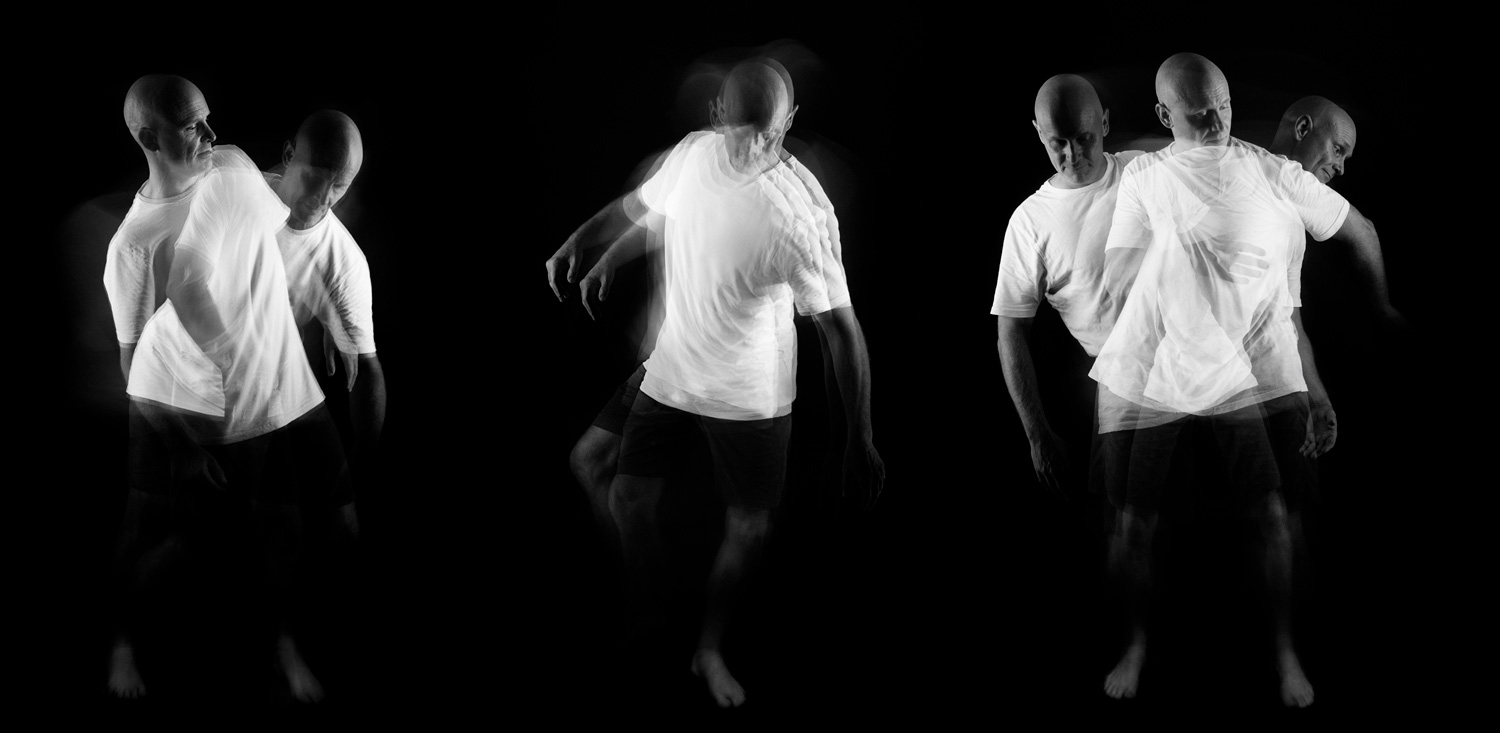
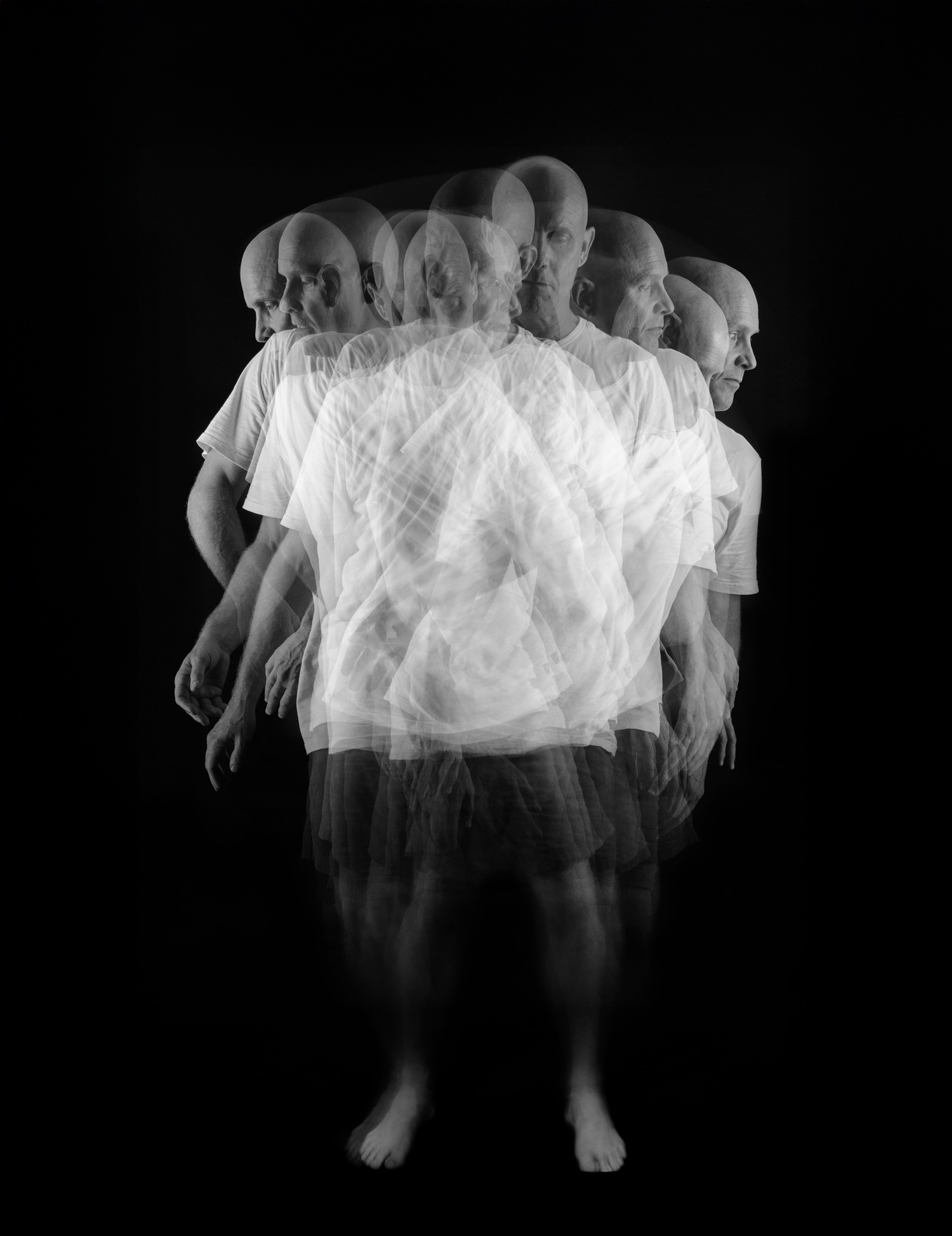
To regulate his emotions, Chris compliments his internal motion with external motion. Moving his body helps to quiet his mind well past the end of a movement experience. Over the years this has taken many forms, from wrestling as a kid to lifting weights as an adult. Most recently he’s taken to artistic movement lessons here in the city. Some movements are structured, some are improvisational.
Movement is position over time. Perhaps movement helps him forget about the necessity of time and his ongoing challenge to operate within it.
Sit Spot
While in Oregon, Chris spent time working with local naturalists. He learned about the ecosystem, how it thrived and suffered, and his impact as a human. He became so connected to his environment that when his family moved it felt like he left a friend behind.
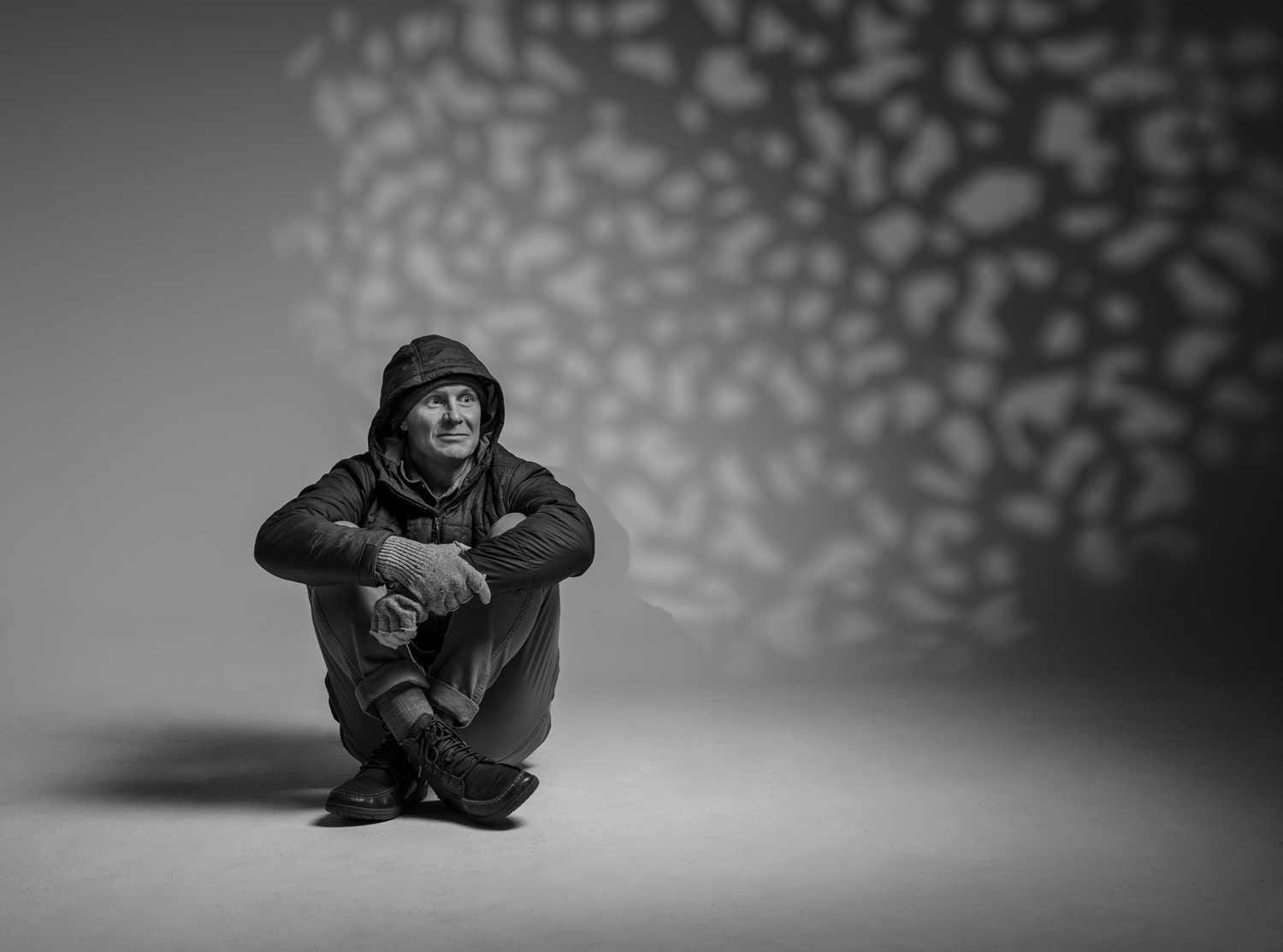
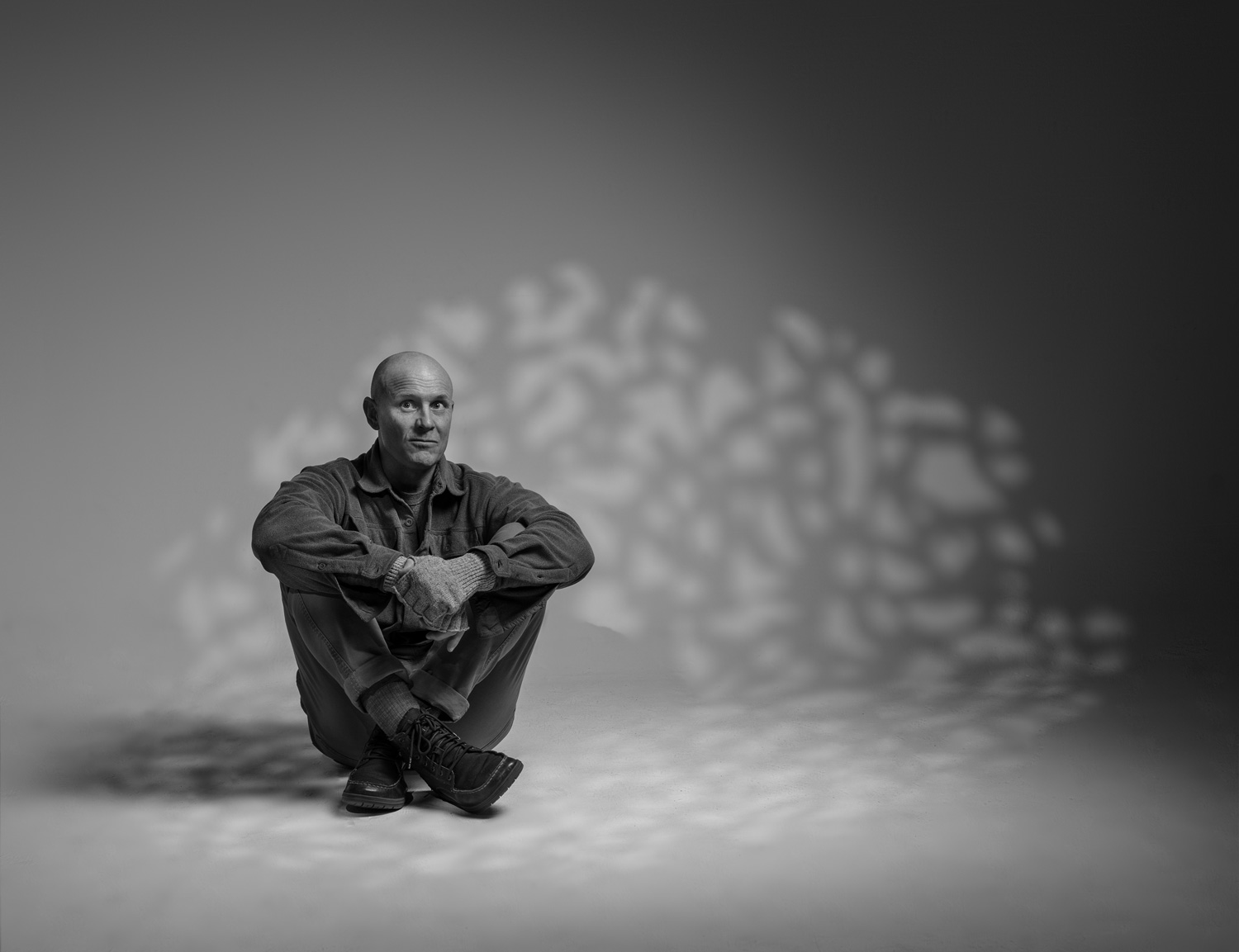
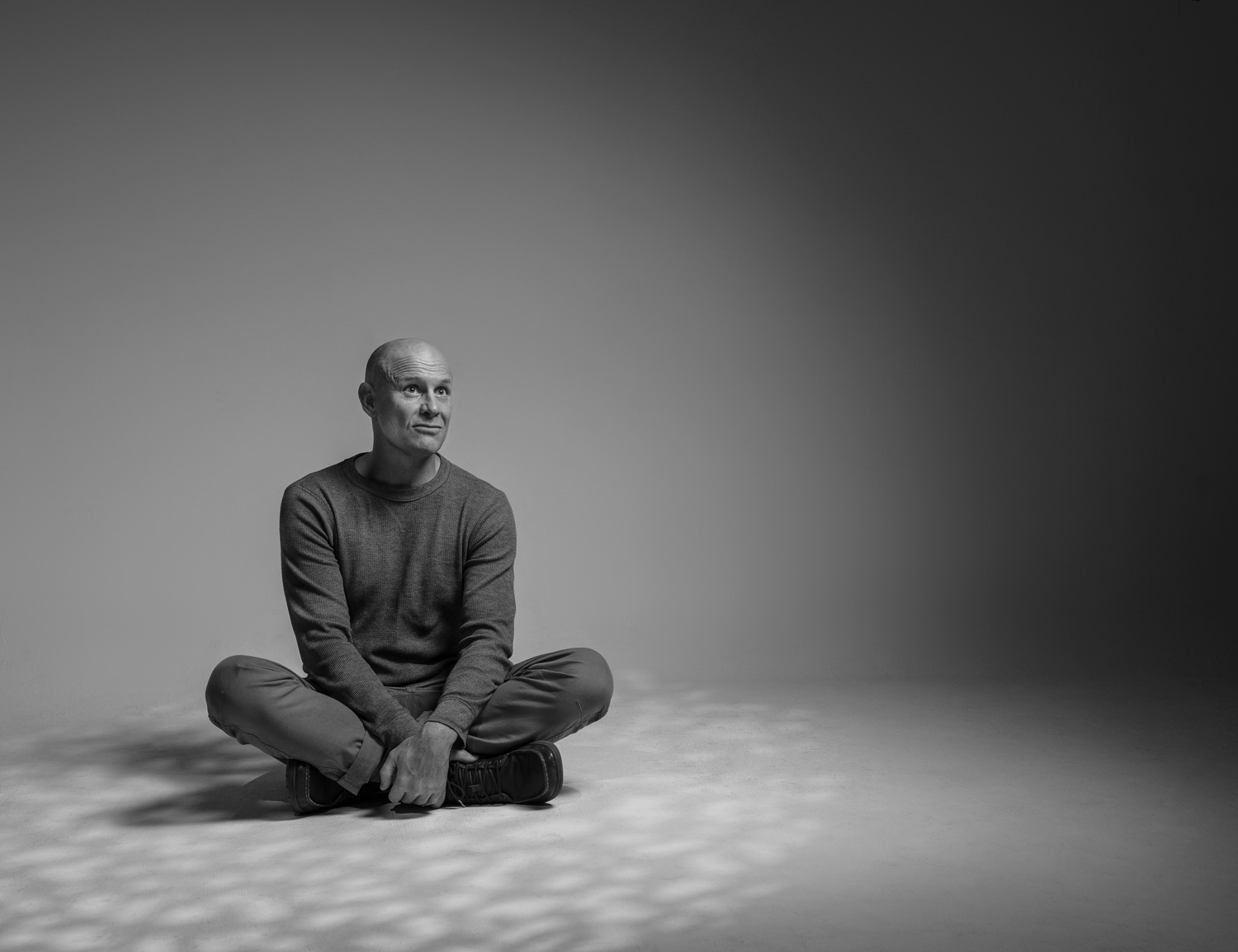
Part of the naturalist practice was engaging with what they called a “sit spot”. This is a space within nature where they would go and just sit. Sometimes Chris would meditate, but that wasn’t the point. His goal was to be still in the same spot for a period of time and just observe.
He often notcied changes in the behavior of the wildlife. Sometimes he would notice something about a tree, a nearby plant, or the gradual change in temperature. These sessions often lasted for an hour and sometimes for multiple hours at a time.